


In the kaleidoscopic world of fashion, where trends shift as swiftly as the seasons, a seismic shift is underway. The once-dominant realm of fast fashion, characterized by its rapid production cycles and ephemeral allure, is beginning to unravel at the seams. Once hailed as the democratization of style, fast fashion is now facing a reckoning, as consumers awaken to its environmental and ethical toll. As we stand at the crossroads of change, the industry is witnessing a remarkable transformation—one where quality triumphs over quantity, sustainability eclipses disposability, and conscious consumption becomes the new black. This article delves into the reasons why fast fashion trends are losing their luster, heralding a new era of mindful elegance and timeless appeal. Join us as we explore the forces driving this cultural shift and celebrate the resurgence of fashion that truly matters.
Fashions Unsustainable Cycle Unraveled
In recent years, the alluring shimmer of fast fashion has begun to fade, revealing the unsustainable underpinnings of its cycle. Consumers are becoming more discerning, demanding transparency and accountability from their favorite brands. This shift in mindset has been fueled by a growing awareness of the environmental and ethical implications associated with the rapid turnover of trendy garments. The fashion industry, once driven by ephemeral styles and disposable attire, is being called to account for its practices.
Key factors contributing to this transformation include:
- Environmental Impact: The vast amounts of water and energy consumed in production, coupled with the release of harmful pollutants, have made the environmental cost of fast fashion undeniable.
- Labor Conditions: The exploitation of workers in developing countries, often under poor working conditions and for meager wages, has sparked global outrage.
- Consumer Awareness: With the rise of social media and documentaries exposing the harsh realities behind the industry, consumers are now more informed and empowered to make ethical choices.
As this reckoning unfolds, a new wave of sustainable practices and mindful consumption is taking center stage, challenging brands to innovate and evolve or risk being left behind in a rapidly changing fashion landscape.

Conscious Consumerism: The Rise of Mindful Fashion Choices
In an era where consumers are increasingly aware of their environmental footprint, fast fashion is rapidly losing its appeal. The shift towards mindful fashion choices is driven by a growing recognition of the industry’s impact on the planet. As people become more informed, they are starting to question the sustainability of their wardrobe habits. With the rise of social media and digital platforms, information about ethical practices and eco-friendly brands is more accessible than ever. This newfound awareness is empowering individuals to make choices that align with their values, leading to a decline in the allure of disposable trends.
- Environmental Impact: Fast fashion contributes significantly to pollution and waste. Mindful consumers are opting for brands that prioritize sustainability.
- Quality Over Quantity: There is a growing preference for well-crafted, durable clothing over fleeting fashion fads.
- Ethical Production: The demand for transparency in labor practices is pushing consumers to support brands that ensure fair wages and safe working conditions.
- Personal Expression: Shoppers are embracing unique styles that reflect their personality, moving away from mass-produced, identical items.
As this movement gains momentum, it is reshaping the fashion landscape, encouraging brands to innovate and adapt. The future of fashion is not just about looking good, but feeling good about the choices we make.
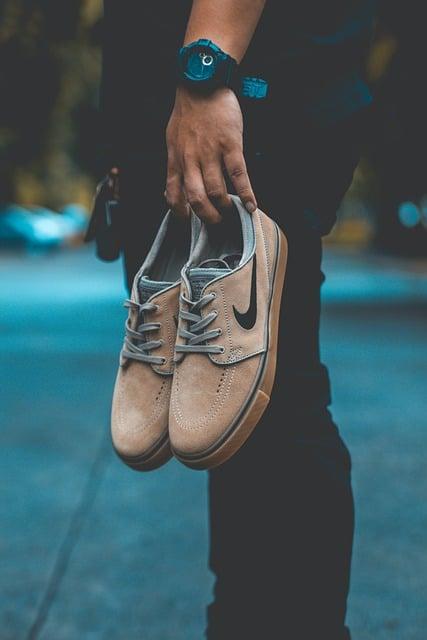
Embracing Slow Fashion: Steps Towards a More Sustainable Wardrobe
The shift towards sustainable fashion is not just a trend; it’s a conscious movement reshaping the industry. Fast fashion, with its allure of rapid turnover and low prices, has long dominated wardrobes worldwide. However, the environmental and ethical concerns associated with it are becoming impossible to ignore. As consumers grow more aware of the impact of their purchasing choices, the allure of fast fashion is fading, making room for the slow fashion movement, which emphasizes quality, durability, and ethical production.
To cultivate a more sustainable wardrobe, consider these actionable steps:
- Invest in Quality Over Quantity: Choose pieces that are well-made and timeless, rather than succumbing to fleeting trends.
- Opt for Ethical Brands: Support companies that prioritize fair labor practices and sustainable materials.
- Embrace Second-Hand Shopping: Thrift stores and vintage shops offer unique finds that reduce the demand for new clothing production.
- Care for Your Clothes: Extend the life of your garments by following proper care instructions and repairing rather than discarding.
- Practice Mindful Consumption: Before purchasing, ask yourself if the item is truly needed and if it aligns with your personal style.
By taking these steps, not only do you contribute to a more sustainable future, but you also create a wardrobe that is uniquely yours, filled with pieces that tell a story and stand the test of time.